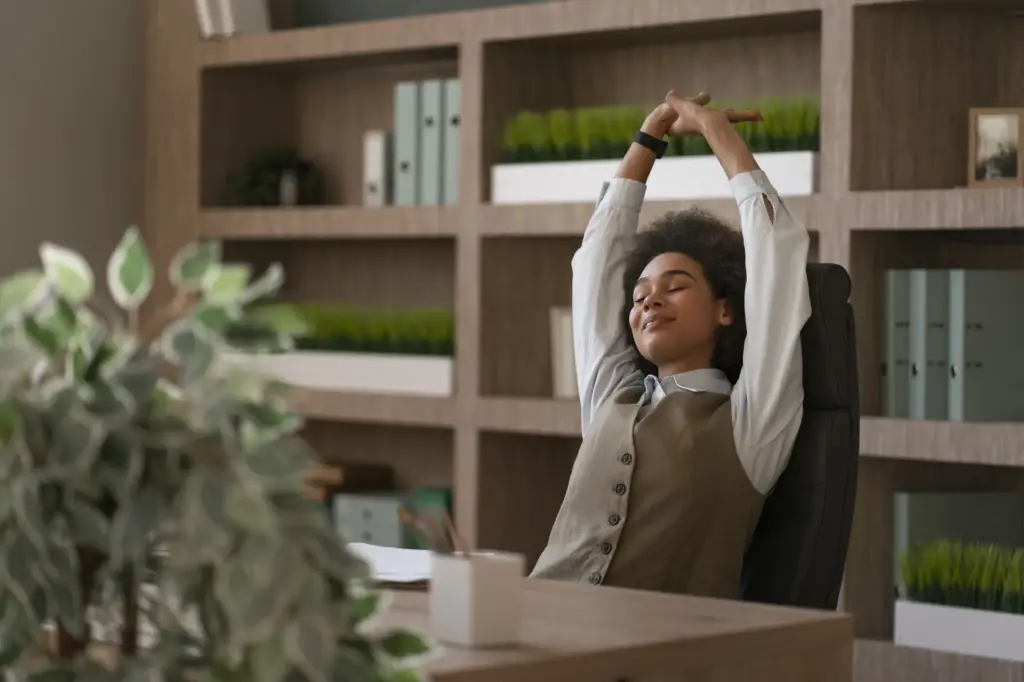
Breathe Between Pixels

We’re exploring microbreak strategies to counter screen fatigue and Zoom burnout, translating evidence-backed insights into simple moments that restore energy without derailing your day. Expect realistic ideas you can try between meetings, along with gentle prompts for eyes, body, and attention. We will also share candid stories, tiny experiments, and ways to invite your team into healthier rhythms, so relief becomes a shared habit rather than another box to tick.

Attention Works In Rhythms, Not Straight Lines

Cognitive performance ebbs and flows in ultradian-like waves. When we ignore natural dips, we push harder while getting less done. A one-minute reset can restore executive control and error detection, especially after dense slides or rapid-fire chats. Think of it as tuning your mental instrument before the next piece, not abandoning the music. In practice, these short pauses protect quality, reduce rework, and keep frustration from hijacking collaborative conversations.

Your Eyes Need Distance To Recover Focus

During intense screen tasks, blink rates can fall dramatically, drying the eye surface and straining ciliary muscles. Microbreaks that shift focus to a far point rehydrate and relax ocular systems. The classic twenty-twenty guideline works well, but even shorter glances help. Open a window view, trace a distant line on the horizon, or simply gaze across the room. It is less a ritual than a physiological reset your vision quietly craves and instantly rewards.

Stress Chemistry Responds To Seconds, Not Hours

Elevated sympathetic arousal can accumulate through back-to-back calls. Brief breath-led pauses activate the parasympathetic brake, lowering perceived strain and smoothing your return to thoughtful dialogue. These moments are practical when the calendar is brutal: thirty slow exhales can change your internal weather. Add one shoulder roll, one sip of water, and one long look away, and you convert spiraling tension into something steerable, kinder, and far more sustainable across demanding schedules.

Designing Microbreaks That Actually Happen

The best microbreak is the one you will use without overthinking. Start by anchoring tiny resets to existing transitions: before unmuting, after sending a file, or when a meeting clock hits fifteen minutes. Keep them frictionless, device-light, and playful enough to feel rewarding. Over time, stack two or three quick elements—breath, gaze shift, posture cue—into a ninety-second routine that becomes automatic. Make it obvious, convenient, and satisfying, and consistency will follow without extra willpower.

Sixty To Ninety Seconds: A Proven Sweet Spot

You do not need elaborate sessions to feel better. Set a silent timer for eighty seconds and try this sequence: exhale longer than you inhale, stand and lengthen your spine, then sweep your eyes from left to right across the room. That tiny trio reduces tension, interrupts passive slumping, and refreshes attention. Because it is short, you can apply it between agenda items without derailing momentum, keeping discussions sharp and humane simultaneously.

Movement Snacks Beat Marathon Workouts Midday

A few deliberate motions—neck glide, shoulder circle, calf raise—can unwind stiffness from hours of static sitting. Pair them with doorway chest stretches to reopen breath and reduce the hunched, screen-forward posture that compounds fatigue. Consider a lightweight routine you can do on camera without awkwardness. Even discreet shifts signal your nervous system that you are safe to relax, making it easier to listen, synthesize, and contribute ideas with warmth instead of guarded urgency.

Visual Resets That Relieve The Digital Squint

Design a micro menu for your eyes: distant-gaze panoramas, slow blinks, gentle palming, and soft-focus scans across varying depths. Place a contrasting object across the room as a visual anchor. When tension builds, look there for twenty breaths. These micro-rituals soften facial muscles and reduce the tunnel vision that creeps in during rapid screen sharing. Layer them with one kind sentence to yourself, and your whole presence brightens on the very next slide.

Self-View Off, Presence On

Watching yourself while speaking hijacks attention and increases self-evaluation fatigue. Turn off self-view and notice how conversation feels more natural within minutes. If you worry about framing, do a quick check at the start, then hide it. Your focus returns to colleagues and ideas, not micro-adjusting your expression. Less cognitive noise means more courage to ask clarifying questions, admit uncertainty, and build on others’ thoughts without the subtle performance pressure of mirrored surveillance.

Alternate Modes: Slides Off, Voices On

Not every minute needs full video. When content becomes lecture-like, propose a three-minute audio-only pause with a stretch prompt. People stand, widen posture, and breathe more fully while still listening. Energy returns without losing time, and participation often improves afterward. By normalizing camera-light segments, you reduce fatigue stigma and make health-compatible practices part of your team’s identity. This flexibility also helps colleagues with bandwidth constraints feel respected and included throughout demanding projects.

Smaller Rooms, Sharper Focus

Crowded calls encourage lurking and fragmented attention, which breeds exhaustion. Split long sessions into focused, shorter touchpoints with only necessary voices present. End each segment with a thirty-second reflection pause so decisions land and next steps crystallize. You will notice fewer repeated questions and less backchannel confusion later. Protecting people’s bandwidth is not merely polite; it becomes a performance enhancer, conserving energy for deep work while keeping collaboration lively and genuinely attentive.

Calendar Nudges With A Human Touch

Rename your reminders with kind, specific verbs: look far, sip water, roll shoulders, exhale long. Pair them with micro-celebrations—one grateful thought, one unclenched jaw, one relaxing shrug. These prompts transform interruptions into nourishment. Over a week, those seconds stack into hours of preserved clarity. Share your favorite nudge phrasing with teammates and invite theirs in return, building a quiet culture where encouragement circulates like fresh air between difficult deadlines and complex deliverables.

Micro-Pomodoros For Meetings And Maker Time

Blend focused sprints with gentle resets: thirteen minutes on, one minute off for cognitively heavy tasks, or twenty-two and two when collaborating. Keep the breaks sensory, not scroll-based—stand, look far, breathe low. This rhythm protects momentum without fraying nerves. When resistance appears, lower intensity rather than skipping the pause. Over time, your brain learns that rest does not threaten progress; it is the fuel line. Output rises while emotional weather steadies through inevitable surprises.

Environment Cues: Light, Plants, And Water

Position your desk so natural light reaches peripheral vision, signaling alertness without strain. Add a plant within sightline as a soft-focus anchor. Keep water visible to cue micro-hydration, which subtly boosts energy and eye comfort. Use a small textured object for tactile grounding during long explanations. None of this requires new apps—just intentional placement. Your space becomes a silent coach, nudging restoration through design, helping you arrive more fully to each conversation and decision.

Habits That Stick When Calendars Are Ruthless

When every hour is booked, microbreaks must latch onto cues already present. Use meeting alerts as breathing prompts, agenda transitions as stretch signals, and file uploads as far-gaze moments. Keep a water glass within reach and let each sip cue one shoulder roll. Build lightweight rituals at the edges of tasks so recovery becomes automatic. These tiny hinges swing big doors, sustaining creativity and patience during complex projects without requiring perfect discipline or extra time blocks.

Team Rituals That Normalize Rest

Culture changes when leaders model humane practices and groups agree on simple, shared signals. Begin meetings with ninety-second resets, experiment with camera-light stretches, and schedule five-minute buffers at the top of the hour. Rotate a wellness host who introduces lightweight prompts so no one feels singled out. Collect feedback monthly to refine what sticks. When microbreaks become a norm, people feel permission to care for their bodies, and collaboration gains warmth, focus, and genuine creativity.

Real Stories, Real Obstacles, Practical Fixes

Changing habits while deadlines loom invites resistance, guilt, and occasional eye rolls. That is normal. People worry pauses look lazy, or that cameras must stay on to prove commitment. Yet small experiments consistently convert skeptics. Here are struggles we have heard, paired with tactics that respect busy realities. Borrow one, adapt another, and report back. Your experiences help others discover routes around similar barriers, strengthening a community that values results, relationships, and well-timed recovery equally.